
Power subsidy hits N418bn, losses exceed N300bn
Recent reports from the Nigerian Electricity Regulatory Commission (NERC) and industry analysts reveal a deepening fiscal crisis in the power sector. As of April 2026, the financial burden of maintaining the national grid has reached a critical tipping point.
The Fiscal Gap: N418bn Subsidy
The federal government’s electricity subsidy obligation for the first quarter of 2026 has hit approximately N418 billion. This surge is driven by:
Tariff Shortfalls: The gap between the "cost-reflective" tariff (what it actually costs to produce and distribute power) and the "allowable" tariff charged to most consumers.
Currency Fluctuations: Continued pressure on the Naira has increased the cost of gas and equipment maintenance, which are largely priced in dollars.
The "Band A" Impact: While subsidies were removed for "Band A" customers (those receiving 20+ hours of power) in late 2024, the government still bears heavy costs for Bands B through E to prevent widespread social unrest.
The Loss Crisis: N300bn and Rising
Financial and technical losses in the sector have now exceeded N300 billion. These losses are categorized into two main areas:
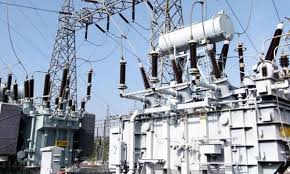
Technical & Commercial Losses: Energy lost due to poor infrastructure (aging transformers and sagging lines) and "non-technical" issues like energy theft and meter bypassing.
Collection Inefficiency: Many Distribution Companies (DisCos) are still struggling to collect revenue for the power they deliver. For every N100 worth of electricity sent to the grid, roughly N25 to N30 is lost before it can be converted into revenue.
The Government's New Strategy
To combat these numbers, the government has introduced several drastic measures this month:
Subsidy Sharing: Starting with the 2026 budget, the Federal Government will no longer bear the subsidy burden alone. Under a new "Multi-Level" framework, State and Local Governments will now be required to share the cost of subsidies for their specific regions.Stricter Loss Targets: NERC has issued Order No. NERC/2026/026, mandating the Transmission Company of Nigeria (TCN) to reduce grid losses to 6.5% by December 2026.
Smart Metering Mandate: All regional boundary points must be fitted with smart meters by the end of this year to provide real-time data on where exactly the "missing" power (and money) is going.
Bottom Line: The government is shifting from "universal subsidies" to "targeted interventions," effectively signaling that states which want lower tariffs for their residents will have to find the money to pay for them.